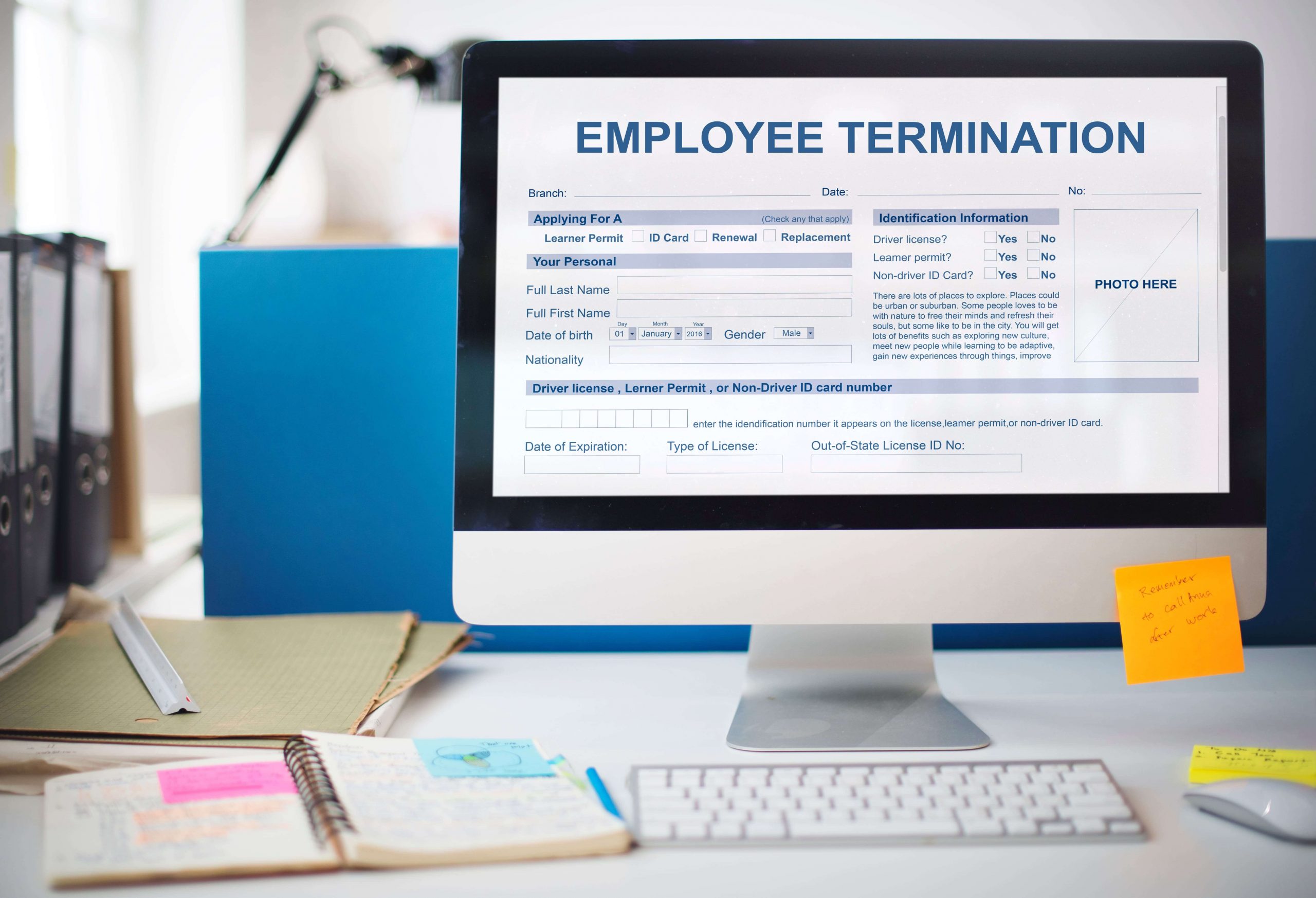
If you’ve recently lost your job and suspect the reason wasn’t lawful, you may be wondering: What qualifies as wrongful termination in New York? While New York is an “at-will” employment state, there are important exceptions that protect employees from being wrongfully terminated. Understanding these protections can help you determine whether your rights have been violated—and what steps to take next.
This guide outlines what constitutes wrongful termination under New York law, the legal exceptions to at-will employment, examples of unlawful termination, and how to pursue justice if you’ve been wrongfully terminated.
Understanding At-Will Employment in New York
In New York, most workers are employed “at will.” This means an employer can terminate an employee at any time, with or without cause, and without warning—unless the termination violates a specific legal protection.
However, at-will employment is not absolute. If your firing breaches anti-discrimination laws, retaliates against protected actions, or violates an employment contract or public policy, it could qualify as wrongful termination.
Example of Wrongful Termination in New York
Wrongful termination occurs when an employee is fired for an unlawful reason. In New York, the most common legal grounds for wrongful termination include:
1. Discrimination
Under federal and New York State laws, it is illegal to terminate an employee based on protected characteristics, including:
- Race or ethnicity
- Gender or sex (including pregnancy, gender identity, or sexual orientation)
- Religion or creed
- National origin
- Age (40 and older)
- Disability
- Marital status
- Genetic information
Relevant laws include Title VII of the Civil Rights Act, the Americans with Disabilities Act (ADA), the Age Discrimination in Employment Act (ADEA), and the New York State Human Rights Law (NYSHRL).
Example: A 55-year-old employee is replaced by a younger worker after being told they are “not as quick as they used to be.” If age was a factor, this could be wrongful termination based on age discrimination.
2. Retaliation
It is unlawful for an employer to fire someone in retaliation for engaging in legally protected activities. Protected actions include:
- Filing a complaint about workplace discrimination or harassment
- Participating in a workplace investigation
- Reporting labor law violations or unsafe working conditions
- Requesting reasonable accommodations
Example: An employee reports a supervisor for sexual harassment and is subsequently terminated. This firing could be deemed retaliatory and therefore wrongful.
3. Whistleblower Protections
New York offers whistleblower protections under Labor Law Section 740 and Section 741 for health care workers. Employees are protected from termination if they report:
- A violation of law that creates a substantial danger to public health or safety
- Fraudulent or illegal business practices
- Health care-related violations endangering patient care
Example: A hospital nurse raises concerns about improper patient treatment and is fired. This could be wrongful termination under whistleblower laws.
4. Violation of Employment Contract
If you have a written or implied employment contract, you cannot be fired in violation of its terms. Unionized employees and executives are especially likely to have such contracts.
Example: An employee with a one-year contract is terminated after six months without cause. If no contractual clause permits this, it may qualify as wrongful termination.
5. Termination Against Public Policy
New York recognizes limited exceptions to at-will employment for firings that violate public policy, such as:
- Refusing to engage in illegal activity
- Taking time off for jury duty
- Voting in elections
- Filing a workers’ compensation claim
Example: An employee is fired for refusing to falsify financial documents. This could be wrongful termination in violation of public policy.
How to Tell If You’ve Been Wrongfully Terminated
Ask yourself the following questions:
- Were you fired after reporting illegal or unethical behavior?
- Did your employer treat you differently than coworkers in similar roles?
- Were you fired after taking protected leave (FMLA, jury duty, etc.)?
- Did your employer make discriminatory remarks or jokes?
- Were you terminated shortly after filing a complaint or claim?
If you answered yes to any of these, you may have a wrongful termination case.
Steps to Take If You Were Wrongfully Terminated
If you believe you’ve been wrongfully terminated in New York, here are critical steps to protect your rights:
1. Document Everything
Gather emails, performance reviews, HR complaints, witness statements, and any communication related to your termination. The more evidence you have, the stronger your case.
2. Request a Written Explanation
Ask your employer for a formal explanation of your termination in writing. While they are not legally required to provide one, it could help clarify inconsistencies or discriminatory intent.
3. File an Administrative Complaint
Depending on your claim, you may need to file with one of the following agencies before taking legal action:
- U.S. Equal Employment Opportunity Commission (EEOC)
- New York State Division of Human Rights (NYSDHR)
- New York City Commission on Human Rights (if applicable)
There are deadlines for filing—typically 180 to 300 days after the termination—so act promptly.
4. Consult an Employment Litigation Attorney
Navigating wrongful termination claims involves complex laws and strict filing procedures. An experienced attorney can help evaluate your case, preserve your rights, and pursue compensation.
How The Howley Law Firm Can Help With Wrongful Termination Cases
The Howley Law Firm in New York has decades of experience representing employees who have been wrongfully terminated. We understand the stress, financial impact, and emotional toll that unlawful termination can cause. Our firm offers strategic legal guidance tailored to your specific situation—whether it involves discrimination, retaliation, whistleblowing, or breach of contract.
We begin with a thorough case review, help you gather critical evidence, and represent you in negotiations, administrative hearings, or litigation. With a proven track record in employment litigation, The Howley Law Firm is a trusted advocate for workers’ rights across New York.
Contact The Howley Law Firm for a Confidential Consultation
If you believe you’ve been wrongfully terminated in New York, don’t wait. You may have legal rights to compensation, reinstatement, or other remedies under state and federal law. Contact us here at The Howley Law Firm in New York today for a confidential consultation and let us help you fight back against wrongful termination.
Your rights matter—make sure they’re protected.
FAQs
Yes, because New York is an at-will employment state, your employer can terminate you without cause or notice—unless the reason violates a law or contract. If you believe your termination involved discrimination or retaliation, you may have grounds for legal action.
To prove wrongful termination, you’ll need documentation such as emails, performance reviews, HR complaints, or witness statements. Timing is also important—for example, if you were fired shortly after filing a complaint, it may suggest retaliation.
Yes, firing an employee for reporting workplace harassment is considered retaliation and is illegal under both state and federal law. You may be entitled to legal remedies if this occurred.
Yes, it may be considered wrongful if your employer terminates you because you took medical leave or requested a disability accommodation. These actions are protected under the ADA and the Family and Medical Leave Act (FMLA).
Deadlines vary by agency, but you generally have 180 to 300 days from the date of termination to file a complaint with the EEOC or NYSDHR. It’s best to act quickly to preserve your rights.